Landlord Obligations: Ensuring a Safe and Habitable Rental Property
The concept of a safe and habitable rental property is a fundamental pillar of landlord-tenant law in the United States. It stems from the implied warranty of habitability, a legal doctrine that requires residential landlords to maintain their properties in a condition fit for human occupancy. This obligation exists regardless of whether it is explicitly stated in a lease agreement, and it sets a baseline for the physical conditions tenants can reasonably expect. Understanding these duties is essential for landlords who wish to operate within the legal framework and for tenants who need to know their rights. The following sections outline the key components of this responsibility, the methods used to ensure compliance, and the broader context of health and safety code enforcement.
Meeting these obligations involves a proactive approach to property maintenance, regular inspections, and a clear understanding of applicable local, state, and federal regulations. While the specific requirements can vary by jurisdiction, the underlying principles remain consistent: the dwelling must be structurally sound, free from health hazards, and equipped with essential services such as heating, plumbing, and electricity. A landlord who follows a systematic process of inspection and repair is better positioned to fulfill these duties and to address issues before they escalate into violations or disputes.
Legal Basis for the Duty of Habitability
The implied warranty of habitability is recognized in nearly every state, either through common law decisions or by statute. This warranty applies to all residential leases, including month-to-month agreements and long-term tenancies. Under this doctrine, a landlord implicitly promises that the rental unit will be livable at the start of the tenancy and will remain so throughout the lease term. If the property falls into disrepair or becomes unsafe, the tenant may have legal remedies, such as withholding rent, terminating the lease, or seeking damages.
State and local building codes, health codes, and housing codes further define the specific standards that properties must meet. These codes typically address structural elements, fire safety, sanitation, and environmental hazards. For example, many jurisdictions require that rental units have working smoke detectors, adequate ventilation, and pest-free conditions. Landlords are expected to be familiar with the codes that apply to their properties and to ensure ongoing compliance. Failure to adhere to these regulations can result in fines, penalties, and potentially the loss of a rental license.
Key Areas of Landlord Responsibility
A safe and habitable property encompasses multiple interconnected systems. Structural integrity is the first consideration. Walls, roofs, floors, and foundations must be capable of protecting occupants from weather and other external elements. Leaks, cracks, or sagging structures not only pose safety risks but can also lead to mold growth and pest infestations. Regular inspections of the building envelope help identify problems early.
Plumbing and electrical systems are equally critical. Tenants require a reliable supply of hot and cold water, as well as drainage that functions without backups. Electrical wiring must be safe and up to code to prevent fires or shocks. Heating and cooling systems, where required by climate or local code, must be maintained to provide adequate indoor temperatures. Sanitation involves proper waste disposal, working toilets, and freedom from sewage leaks. Each of these areas requires a consistent maintenance schedule and prompt response to tenant-reported issues.
Pest control is another element of habitability. Landlords are generally responsible for maintaining a pest-free environment, especially when infestations arise from structural defects or lack of sanitation. In multi-unit buildings, the responsibility extends to common areas. Mold prevention and remediation have also become significant concerns, particularly in regions with high humidity. Landlords should address moisture sources quickly, as mold can cause respiratory problems and property damage.
Compliance with Health and Safety Codes
Health and safety codes create a detailed framework for what constitutes a habitable dwelling. Fire safety provisions often include requirements for smoke alarms, carbon monoxide detectors, fire extinguishers in common areas, and clearly marked exit routes. Local building codes may dictate the number and placement of windows for emergency egress in bedrooms. Landlords must ensure these features are installed and maintained in working order.
Lead paint safety is a federal concern, particularly in properties built before 1978. The Environmental Protection Agency’s Renovation, Repair and Painting Rule requires landlords to use certified contractors and follow specific work practices to minimize lead dust exposure. Disclosure of known lead hazards is also mandatory. Similarly, asbestos, radon, and carbon monoxide are hazards that may require testing or mitigation depending on the location and age of the building. While not every property will have these issues, landlords should be aware of potential risks and take appropriate steps when indicated by professional assessments.
Sanitary conditions extend beyond indoor spaces. Exteriors must be free of debris, and common areas such as hallways and laundry rooms should be clean and well-lit. Trash storage areas must be properly enclosed to prevent attracting rodents and insects. Local health departments often conduct inspections based on tenant complaints or routine schedules, and landlords are expected to correct any violations within a specified timeframe.
Maintenance and Repair Processes
Fulfilling the duty of habitability requires a systematic approach to maintenance and repairs. Most jurisdictions require landlords to respond to repair requests within a reasonable period, which may be defined in the lease or by statute. Emergency issues, such as a broken water heater in winter or a gas leak, demand immediate attention. Non-emergency repairs, such as a faulty faucet or a cracked window, typically have a longer window but must still be addressed in a timely manner.
Documentation plays a key role in demonstrating compliance. Keeping records of inspection dates, work orders, receipts, and communications with tenants can provide evidence that the landlord acted responsibly. Platforms such as Rental Shield can assist in organizing maintenance requests and tracking follow-up actions, but the core responsibility remains with the property owner to ensure repairs are actually completed. It is also important to coordinate with tenants regarding access to the unit, respecting their right to privacy while fulfilling repair obligations.
Tenants have some reciprocal duties, such as keeping the unit clean and notifying the landlord of problems promptly. However, the primary responsibility for major maintenance and code compliance rests with the landlord. When a tenant causes damage beyond normal wear and tear, the landlord may hold them responsible, but this does not relieve the landlord of the ongoing duty to maintain the property’s basic systems.
Consequences of Non-Compliance and Legal Remedies
When a landlord fails to maintain habitable conditions, tenants have several legal options. These may include withholding rent, paying for necessary repairs and deducting the cost from rent (often called repair-and-deduct), terminating the lease without penalty, or suing for damages. Some states allow tenants to report violations to local code enforcement agencies, which can issue citations or even condemn the property. The specific remedies available depend on state law and the nature of the defect.
Courts generally require tenants to follow proper procedures, such as providing written notice and allowing a reasonable time for the landlord to correct the issue. Retaliatory eviction by the landlord after a tenant exercises these rights is prohibited in most jurisdictions. Therefore, landlords who fail to take timely action may face not only the cost of repairs but also legal fees, fines, and damage to their reputation. A proactive approach to compliance reduces the likelihood of disputes and helps maintain positive tenant relationships.
Insurance coverage is another consideration. Standard landlord insurance policies may cover certain types of property damage, but they typically do not cover losses resulting from neglect or failure to maintain habitability. Liability claims from tenants who suffer injuries due to unsafe conditions can be significant. Regular inspections and prompt remediation of hazards serve as risk management practices that can protect both the landlord and the tenant.
Creating a Framework for Ongoing Compliance
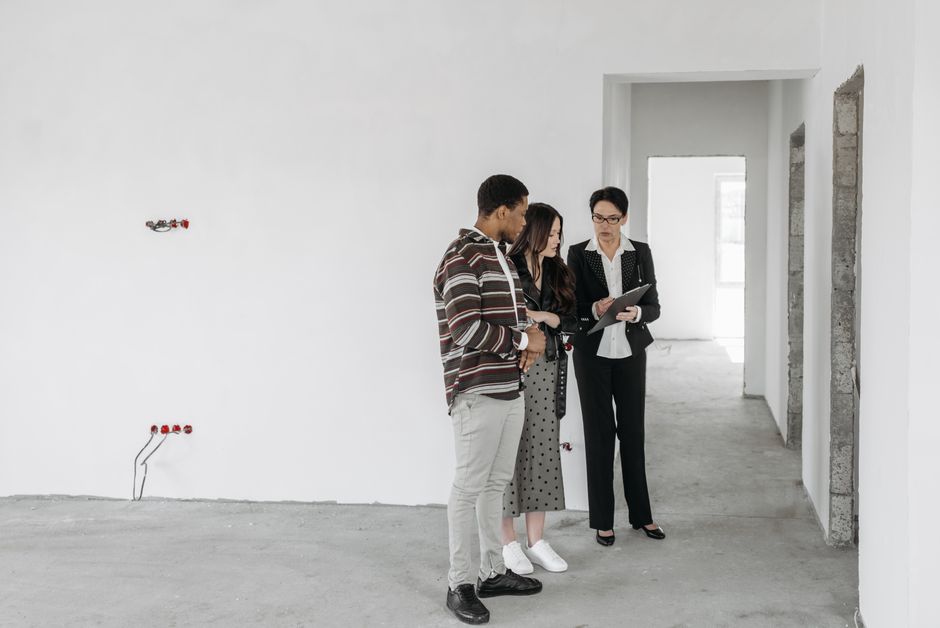
Developing a consistent compliance framework helps landlords meet their obligations efficiently. This framework often includes a pre-tenancy inspection checklist, moving-in reports that document existing conditions, and seasonal maintenance schedules. For example, heating systems can be serviced before winter, air conditioning checked before summer, and gutter cleaning performed in the fall. Annual inspections of smoke alarms and carbon monoxide detectors are also advisable.
Communication with tenants is an integral part of the process. Providing clear information about whom to contact for repairs, what constitutes an emergency, and how maintenance requests are handled can prevent misunderstandings. Periodic newsletters or notices about seasonal maintenance tasks (e.g., reminding tenants to test smoke alarms) can foster cooperation. Landlords may also use digital tools to streamline requests, but personal contact remains valuable for building trust.
Staying informed about changes in local housing codes is an ongoing responsibility. Laws evolve, and what was acceptable last year may no longer meet current standards. Many municipalities offer training programs or online resources for landlords. Professional associations and property management conferences can also provide updates. By integrating code compliance into routine operations, landlords reduce the risk of violations and create a safer environment for their tenants.