The Importance of a Security Deposit Inspection Report
When a tenant moves into a rental property, a security deposit is typically collected to cover potential damages beyond normal wear and tear. The return of this deposit often depends on the condition of the unit at the end of the lease. A security deposit inspection report serves as a formal record of the property’s condition at both move-in and move-out. This document can play a significant role in clarifying what changes occurred during the tenancy and whether any deductions are justified.
Without a detailed inspection report, disagreements between tenants and landlords may become difficult to resolve. The report provides a shared reference point that both parties can consult. It is not a guarantee that the full deposit will be returned, but it does create a transparent process for evaluating the property’s state. Many states in the United States have laws that encourage or require landlords to conduct such inspections and provide written documentation.
Understanding the structure and purpose of these reports can help tenants and landlords alike approach the moving process with clearer expectations. The following sections outline the key aspects of security deposit inspection reports, including their components, legal context, and practical use during move-in and move-out.
The Purpose of a Security Deposit Inspection Report
A security deposit inspection report is designed to establish a baseline for the condition of a rental unit. At move-in, the report documents existing marks, stains, cracks, or any other imperfections. This baseline becomes important when the tenant moves out, because it allows the landlord to compare the current state against the original condition. The report helps distinguish between pre-existing issues and new damage that may have occurred during the lease.
For tenants, the report provides protection against unjustified deductions. When the landlord claims that a certain area was damaged, the tenant can refer to the inspection report to show that the damage was already present. For landlords, the report offers a way to justify deductions when legitimate damage has occurred. It also serves as a record that can be presented in case of a dispute, whether through informal negotiation or legal proceedings.
The report is not merely a formality. It becomes an evidence-based document that supports fairness in the deposit return process. Both parties benefit when the inspection is conducted thoroughly and both sign off on the findings. This mutual acknowledgment reduces the likelihood of misunderstandings later.
Key Components of a Move-In Inspection
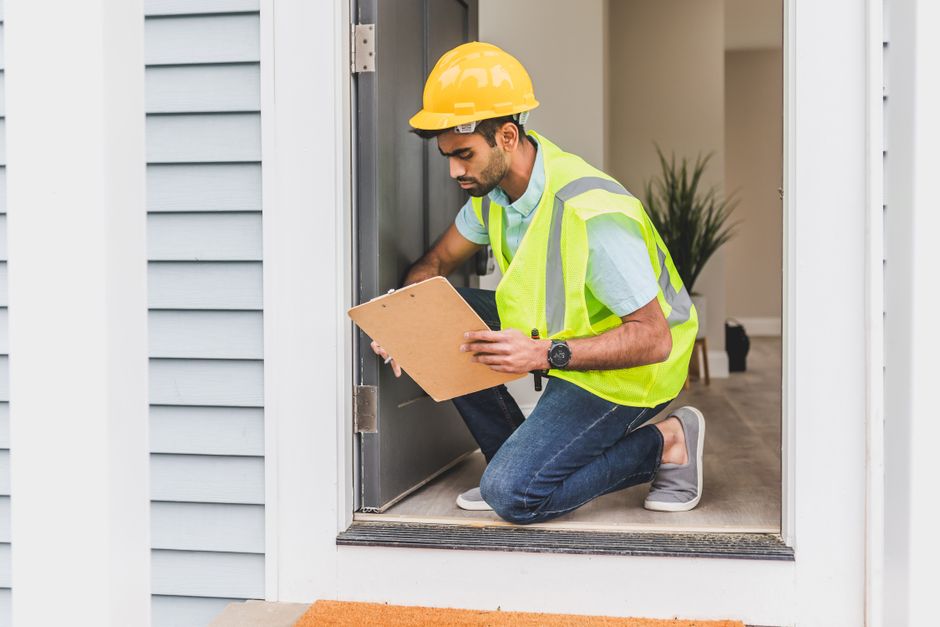
A thorough move-in inspection should cover all areas of the rental unit, including walls, floors, ceilings, windows, doors, appliances, plumbing fixtures, and electrical outlets. Each item should be described in writing, and photographs or video recordings can provide additional visual evidence. The report should note the date and time of the inspection, as well as the names of the tenant and the landlord or property manager present.
A checklist format is commonly used to ensure that no area is overlooked. The checklist may include categories such as kitchen, bathroom, living room, bedrooms, and common areas. Within each category, specific items are listed, and the condition is noted. For example, under kitchen, the inspector might check the condition of the countertops, sink, cabinets, stove, refrigerator, and flooring. Any existing scratches, stains, or malfunctions should be recorded.
Both parties should review the completed report together and sign it to indicate agreement. If the tenant disagrees with any observation, they can add their own comments. The signed report becomes a binding record that both sides can rely on. It is advisable for tenants to keep a copy of the report and any supporting photos for their own records.
The Move-Out Inspection Process
When the lease term ends, a move-out inspection is typically scheduled. The purpose is to reassess the property’s condition and compare it with the move-in report. The inspection should cover the same areas and items that were documented at move-in. Any new damage, excessive wear, or missing items should be noted. Normal wear and tear, such as minor scuffs on walls or fading of paint, is generally not considered damage and should not lead to deductions.
The move-out inspection provides an opportunity for the tenant to be present and discuss any findings with the landlord. If the tenant is not present, the landlord should still conduct the inspection and provide a written report afterward. Many states require that the landlord send an itemized list of deductions along with the remaining deposit, and the inspection report forms the basis for that list.
The comparison between the move-in and move-out reports is where discrepancies become apparent. For instance, a small scratch on the floor that was recorded at move-in cannot later be claimed as new damage. Similarly, a large stain on the carpet that was not present at move-in may be considered damage, unless it can be attributed to normal wear. The report helps ensure that only legitimate changes are considered.
Legal Considerations in the United States
Security deposit laws vary by state, but many jurisdictions have rules regarding the inspection process. Some states require landlords to provide a written move-in inspection checklist to the tenant, and the tenant must have the opportunity to review and sign it. Others mandate that the landlord conduct a move-out inspection and give the tenant the chance to be present. In some states, failure to provide a proper inspection report can limit the landlord’s ability to make deductions from the deposit.
The timeframe for returning the deposit also varies. Most states require the landlord to return the deposit or provide an itemized statement of deductions within a certain number of days after the lease ends, often ranging from 14 to 45 days. The inspection report is a key document that supports the itemized list. Without it, landlords may find it harder to justify specific charges.
Tenants should be aware that inspecting the property and documenting its condition is not only the landlord’s responsibility. Tenants can also take their own photos and notes during the move-in inspection and retain copies. This dual documentation can serve as a safeguard if the landlord’s report is incomplete or inaccurate. Legal resources, such as tenant advocacy groups or housing authorities, can provide guidance on specific state laws.
Best Practices for Documentation and Communication
Creating a reliable inspection report requires attention to detail and clear communication. Both parties should schedule the inspection at a time when the unit is empty or easily accessible. Using a standardized form or template can help ensure consistency. Digital tools, such as apps or online platforms, allow for easy storage and sharing of photos and signed documents.
Photographs should be taken with good lighting and from multiple angles. Close-up shots of any existing damage help clarify the scope. If possible, including a measuring tape or a common object in the photo provides scale. Videos can also capture the general condition of a room. All media files should be labeled and dated.
Communication between tenant and landlord during the inspection process is important. Questions about specific items or concerns can be addressed on the spot. If an issue is discovered at move-out, the tenant may offer to fix it before the final inspection, depending on the lease terms and local laws. Keeping a written record of any agreements or discussions adds another layer of transparency.
Ultimately, a thorough security deposit inspection report is a tool for clarity and fairness. While it does not guarantee that a full deposit will be returned, it creates a documented trail that can reduce disputes. Tenants and landlords who invest time in completing and reviewing these reports are better positioned to resolve any differences that may arise at the end of the tenancy.