Tenant Rights: What to Do If Your Landlord Refuses Repairs
When a tenant reports a maintenance issue that affects health or safety, the expectation is that the landlord will address it promptly. However, situations arise where landlords delay, ignore, or outright refuse to make necessary repairs. In such cases, tenants are not without recourse. The legal framework governing landlord-tenant relationships in the United States provides several mechanisms that tenants can explore, depending on the severity of the issue and the laws of their state. Understanding these mechanisms is the first step toward resolving the situation without escalating conflict unnecessarily.
This article outlines the typical process a tenant may follow when repairs are not made, from documenting the problem to taking formal action. It is important to note that legal options vary significantly by jurisdiction, and what works in one state may not apply in another. Therefore, the information presented here serves as a general guide and should not be interpreted as legal advice. Consulting a local tenant rights organization or an attorney is always recommended when facing a landlord who refuses to perform necessary maintenance.
Understanding the Landlord’s Legal Obligation to Repair
In most states, landlords are required to maintain rental properties in a habitable condition. This obligation is often referred to as the implied warranty of habitability, a legal doctrine that exists in nearly every jurisdiction. Habitability generally means that the property must be safe, sanitary, and fit for human occupancy. Common examples of conditions that violate habitability include lack of heat in winter, plumbing failures, rodent infestations, and structural hazards such as broken stairs or leaking roofs.
Local housing codes and state statutes usually define specific standards for habitability. For instance, a landlord may be required to provide running water, electricity, and adequate heating. The obligation to repair does not cover minor cosmetic issues or damage caused by the tenant, but it does apply to problems that affect the health or safety of the occupants. If a landlord refuses to address such issues, the tenant may have legal grounds to take action.
It is also worth noting that the lease agreement itself often contains clauses about maintenance responsibilities. Even if the lease is silent, the implied warranty of habitability overrides any contradictory terms. Tenants should review their lease to understand any notice requirements or procedures for requesting repairs, as these may influence the steps that follow.
Documenting the Problem and Communicating with the Landlord
Before any formal legal steps are taken, thorough documentation is essential. Tenants should keep a written record of all communications with the landlord or property manager regarding the repair request. This includes dates, times, the method of communication (phone call, email, text message, or written letter), and the response received. Photographs and videos of the damage or hazardous condition can also serve as important evidence.
The initial request for repair should be made in writing whenever possible. A simple email or a formal letter describing the issue, the location, and the potential safety risk can help establish a clear timeline. In many states, the landlord is entitled to a reasonable amount of time to respond after receiving notice. What constitutes “reasonable” depends on the urgency of the repair—for example, a broken water heater during winter may require a quicker response than a dripping faucet.
If the landlord does not respond or refuses to fix the problem, the tenant should send a follow-up notice, reiterating the request and referencing the previous communication. This step demonstrates that the tenant has made a good-faith effort to resolve the matter informally. Once the landlord has been given adequate notice and a reasonable time to act, the tenant may consider more formal measures.
Sending a Formal Written Notice of Needed Repairs
When informal attempts fail, the next step is often a formal written notice, sometimes called a “notice to cure” or “demand for repair.” This document should clearly state the specific repair needed, how it affects habitability, and a deadline by which the landlord must act. The deadline typically must be reasonable, often between seven and thirty days depending on the severity of the issue and state law. Some states require that the notice be sent via certified mail to ensure proof of delivery.
The purpose of this notice is to give the landlord one last opportunity to fix the problem before the tenant exercises legal remedies. In many jurisdictions, sending this notice is a prerequisite for taking further action, such as withholding rent or terminating the lease. The notice should also mention that if the landlord fails to comply, the tenant may pursue options available under state law, such as repair and deduct, rent withholding, or legal action.
Tenants can find templates for such notices through local legal aid organizations or online resources. It is advisable to keep a copy of the notice along with the mailing receipt or delivery confirmation. This documentation will be crucial if the dispute eventually reaches court.
Exploring Options When the Landlord Still Refuses
If the landlord does not respond to the formal notice or refuses to make repairs, the tenant may have several legal options. The most common approaches include repair and deduct, withholding rent into an escrow account, or terminating the lease. Each of these options is governed by specific rules that vary by state, and missteps can have serious consequences such as eviction or financial penalties.
- Repair and deduct: In states that allow this, a tenant may hire a licensed contractor to fix the problem and deduct the cost from the next month’s rent, up to a certain limit. The tenant must typically provide the landlord with an itemized receipt and a copy of the contractor’s invoice. This option is usually reserved for repairs that affect health or safety and that do not involve structural changes.
- Withholding rent into an escrow account: Some states permit tenants to pay rent into a court-administered escrow account until the landlord completes the repairs. The tenant files a petition with the local housing court, explaining the conditions and the landlord’s refusal. The court holds the rent money and releases it to the landlord only after the repairs are made. This option protects the tenant from eviction for nonpayment while the dispute is ongoing.
- Terminating the lease: In extreme cases, especially when the property becomes uninhabitable, a tenant may have the right to break the lease without penalty. The tenant must usually prove that the landlord failed to remedy a serious habitability issue after receiving proper notice. Some states require a court order before the lease can be terminated, while others allow the tenant to move out immediately and later defend against any eviction claim.
It is critical to note that these remedies are not available in every state, and the conditions for using them are often strict. For instance, in some states, a tenant cannot withhold rent without first depositing the money into a court account. In others, repair and deduct is only allowed for repairs that cost less than a certain amount, such as one month’s rent. Consulting the specific laws of the tenant’s state is essential before proceeding.
Filing a Complaint with Local Housing Authorities or Taking Legal Action
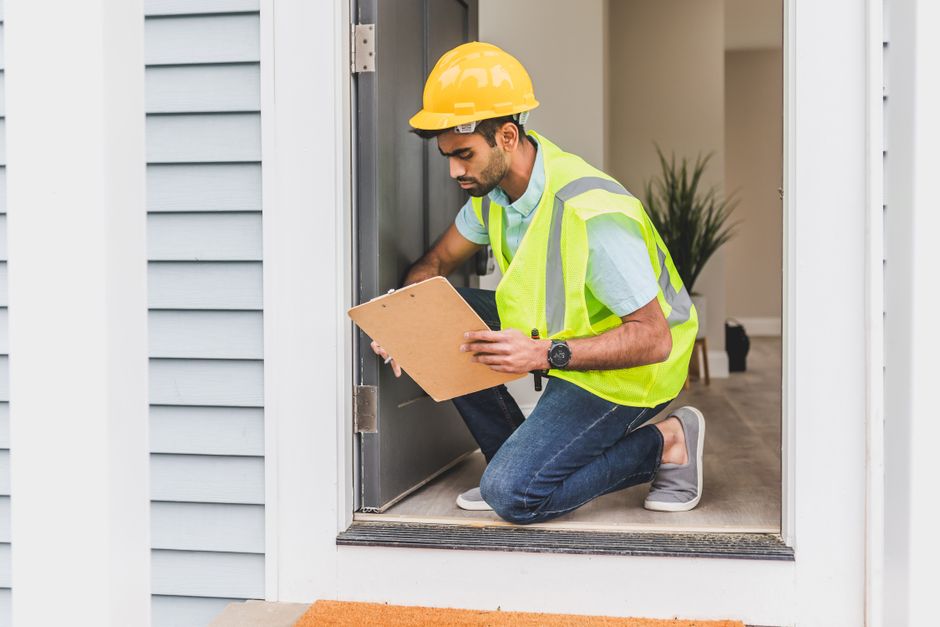
When the above options are not available or do not resolve the issue, tenants can file a complaint with the local housing code enforcement office or health department. These agencies have the authority to inspect the property and issue citations or orders requiring the landlord to make repairs. In some cities, the housing authority may even arrange for emergency repairs and bill the landlord.
Filing a complaint is often a straightforward process. The tenant submits a written description of the problem, along with any supporting evidence, and requests an inspection. An inspector will visit the property to verify the conditions and determine if they violate local housing codes. If a violation is found, the landlord may be given a deadline to fix it or face fines. This approach can be effective because it involves a government agency and does not require the tenant to take direct action against the landlord.
If the landlord continues to refuse repairs despite a citation, the tenant may need to consider filing a lawsuit in small claims court or housing court. A lawsuit can seek an order compelling the landlord to make repairs, a reduction in rent, or monetary damages for any harm caused by the lack of repairs. In some cases, tenants may also recover attorney’s fees if they prevail. Legal representation is often helpful in these proceedings, especially if the tenant is unfamiliar with court procedures.
Note: The legal landscape around tenant remedies is complex. What is permissible in one state may be prohibited in another. Organizations such as Rental Shield may offer informational resources to help tenants understand their rights, but they do not provide legal representation. Always verify your local laws before taking any formal action.
Knowing When to Seek Professional Legal Help
Many landlord-tenant disputes can be resolved through communication, documentation, and the formal notice process. However, when a landlord refuses repeatedly or the situation involves significant health risks, the guidance of a qualified attorney becomes valuable. Tenants who are unsure of their rights or who face potential eviction should consider contacting a legal aid organization or a tenant rights clinic. These services often provide free or low-cost advice to tenants with limited income.
Legal professionals can help interpret state-specific statutes, draft formal notices, and represent tenants in court if needed. They can also advise on the risks of using certain remedies, such as withholding rent, which can sometimes lead to eviction if not done correctly. Even if the tenant decides not to hire an attorney, a consultation can clarify the best path forward and reduce the likelihood of making a procedural error.
Tenants should also keep in mind that retaliation by a landlord is illegal in many jurisdictions. A landlord cannot evict a tenant or increase rent solely because the tenant requested a repair or exercised a legal right. If any retaliatory action occurs, the tenant may have additional legal claims. Documenting all interactions and seeking legal counsel promptly can help protect the tenant’s position.